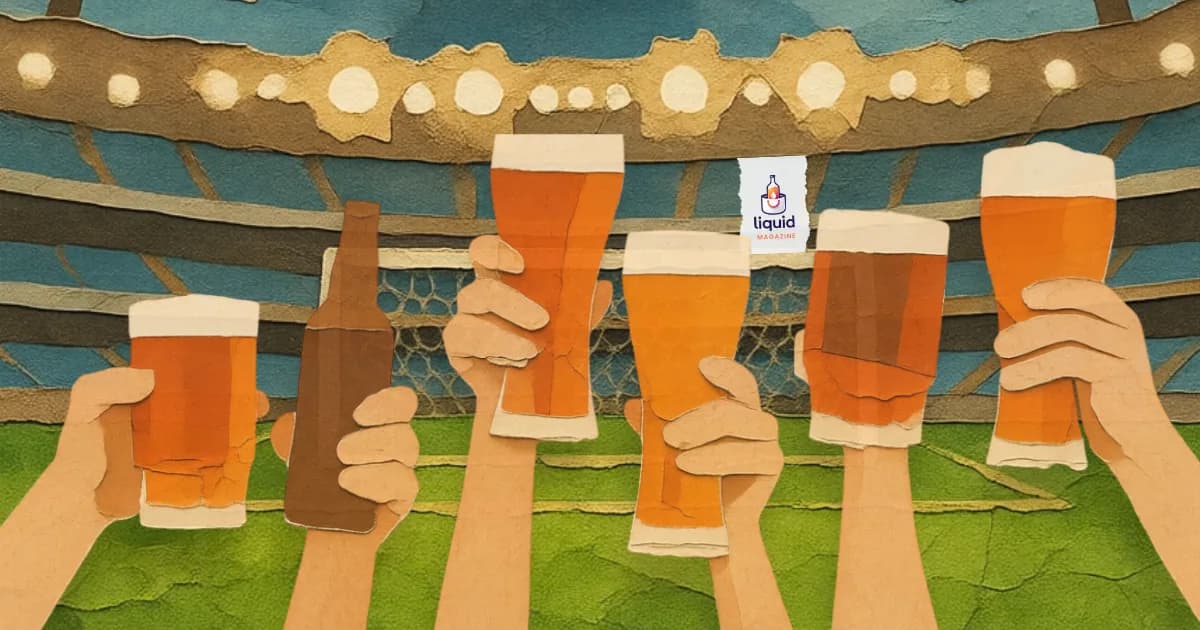
For as long as most matchday regulars can remember, there has been one immovable rule of watching football in England and Wales: you can drink in the concourse, you can drink at half-time, but you cannot drink in your seat. That rule may not survive much longer. Prime Minister Andy Burnham has reopened the debate on the 41-year-old football stadium alcohol ban, calling the restriction "discrimination" against fans and floating a trial to allow drinking within sight of the pitch for the first time since 1985.
For pub and bar operators, particularly the thousands trading within walking distance of a football ground, this isn't a story to skim past. The current ban is one of the quiet engines of matchday trade. Any move to unwind it deserves a proper look at what could change, and what smart operators should be doing about it now.
Why the ban exists in the first place
The Sporting Events (Control of Alcohol etc.) Act 1985 was introduced under Margaret Thatcher's government at the height of football hooliganism, banning alcohol consumption within sight of the pitch at designated matches in England and Wales. It's a rule unique to football: fans can drink freely at rugby, cricket and gigs held in the very same stadiums. Under the current law, alcohol can still be bought and consumed in concourse areas and during half-time, just not carried back to a seat.
Burnham's comments, made this week, echo a long-running argument from fan groups that the law is outdated. The Football Supporters' Association has backed a review, pointing out the inconsistency with other sports played in identical venues. The EFL has previously estimated the restriction costs individual League Two clubs around £184,000 a year in lost bar revenue, with far higher figures at Championship and Premier League level. Not everyone is convinced a change is safe, however. The UK Football Policing Unit has warned against moving "without a full examination of the evidence," pointing to alcohol's continued link to disorder among a minority of supporters, while Premier League chief executive Richard Masters was notably cautious, saying the league has not historically felt conditions were right for the change.
What it could mean for matchday pub and bar trade
Here's the part that matters most for operators: no decision has been made, and any trial is likely to be cautious and slow. But it's worth thinking through both directions this could go.
If the ban is eventually eased, even in trial form, the pre-match and half-time rush that many stadium-adjacent pubs rely on could soften, since fans would have less reason to time their drinking around kick-off and the final whistle. Venues that have built their entire matchday model around "last pint before you go in, first pint when you come out" would need to think about how they diversify: food offer, big-screen away-day trade, post-match dwell time, and loyalty with fans who no longer need the pub as a workaround.
Equally, there's a case that a change could grow the overall pot rather than shrink it. Clubs and stadium operators upgrading their in-ground offer often need reliable, fast-turnaround supply chains, and independent venues near grounds may see spikes in demand on matchdays that call for tighter stock planning rather than less trade overall. A more relaxed drinking culture around football, done well, has tended to lift general hospitality spend in the surrounding area rather than cannibalise it.
Either way, this is a live regulatory story worth tracking, not a done deal to react to. UK Hospitality and local licensing bodies are likely to be consulted before anything moves beyond a pilot, and any trial would probably start with a small number of clubs rather than a blanket change.
Practical takeaways for operators
- Keep an eye on trial announcements rather than the wider commentary. If your venue sits near a ground, any pilot fixture list will matter more to your business than the general policy debate.
- Stress-test your matchday model now. If a slice of your pre-match footfall depends specifically on fans not being able to drink in their seats, work out what else needs to carry that trade if the pattern shifts.
- Don't assume less regulation means less demand. Matchday hospitality spend has historically grown alongside a more relaxed drinking culture at other sports; the opportunity may be in capturing more of it, not just defending what you already have.
- Review your supply arrangements ahead of peak fixtures regardless of how this plays out. Matchday demand spikes are unforgiving of slow deliveries or thin stock, and it's worth comparing suppliers before the next big kick-off rather than after a shortage.